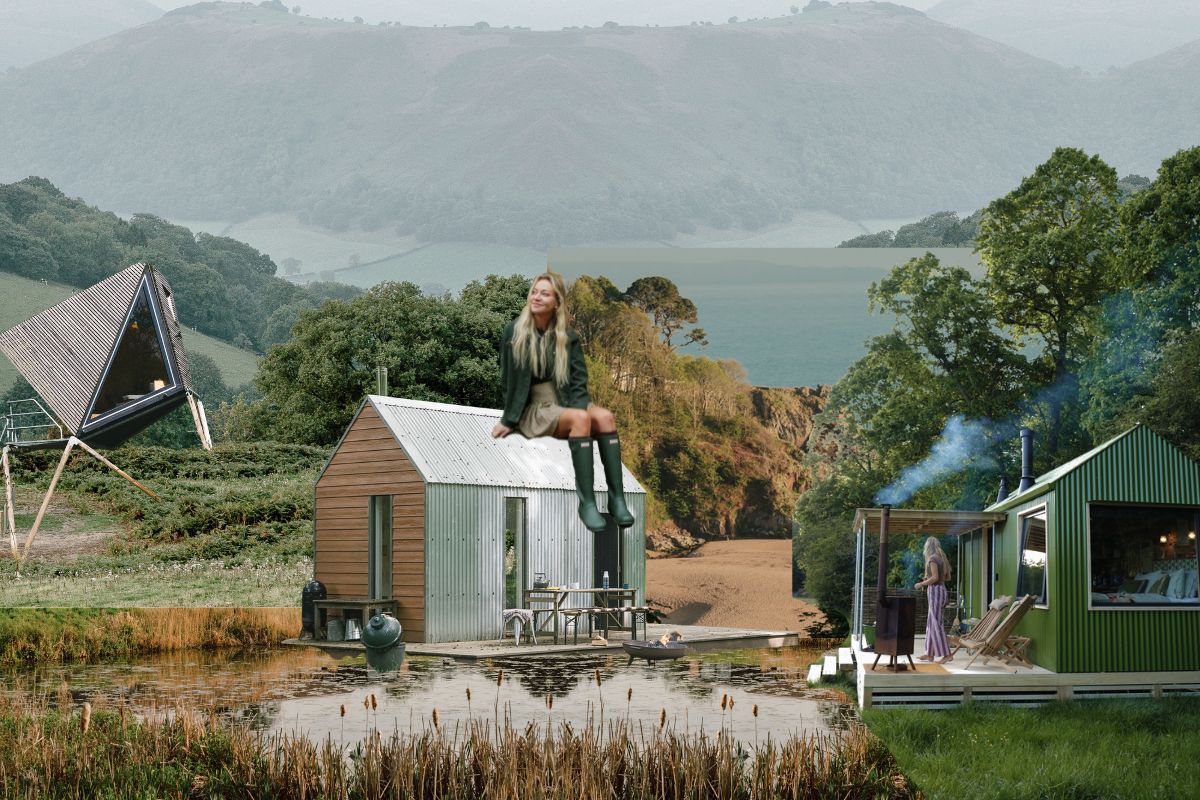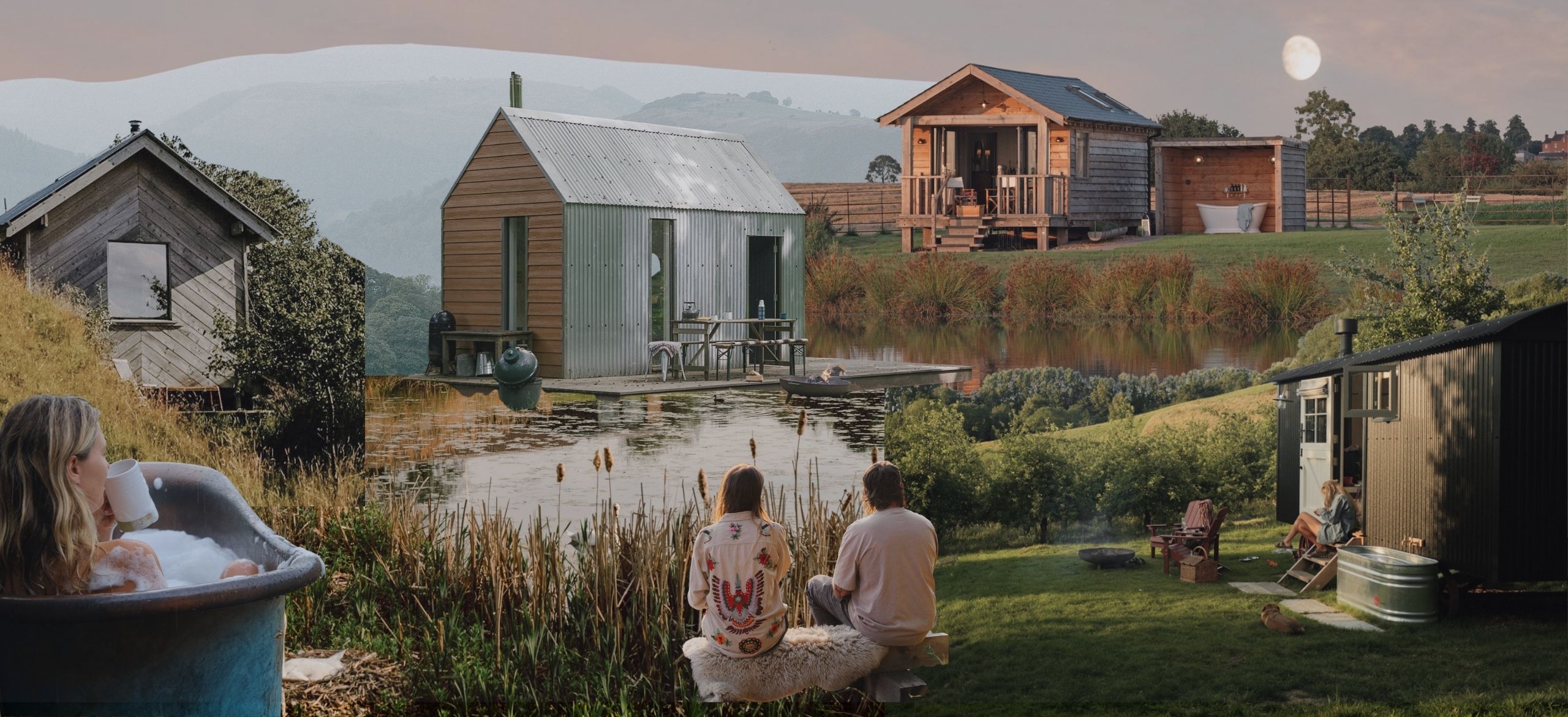

People often ask how we find the places on Kip. The truth is, we’re always, always on the lookout. One of us will spot a cabin on Instagram while scrolling over breakfast. One of us will read a newspaper article that sparks an idea for a search. An owner will recommend another owner. Or our WhatsApp group will burst into life at 11pm:
“This feels VERY Kip. Thoughts???”
Then we’re all down the rabbit hole.

Finding beautiful holiday rentals isn’t actually that difficult. There are thousands of them. But finding somewhere that genuinely belongs on Kip is much harder. Inspiration come from everywhere. Independent magazines. Design journals. Architects we follow. Landscape designers. Tastemakers whose eye we trust. Environmentalists. People we’ve worked with in the past. Friends. Kip members.
Sometimes we’ll spend an hour researching one tiny cabin we’d never heard of the day before. Sometimes we’ll dismiss somewhere after looking at 4 photos. Usually, we know quite quickly whether we’re curious enough to keep digging. We basically need to be thinking: would we be excited to go and stay there? And if so, the detective work begins.
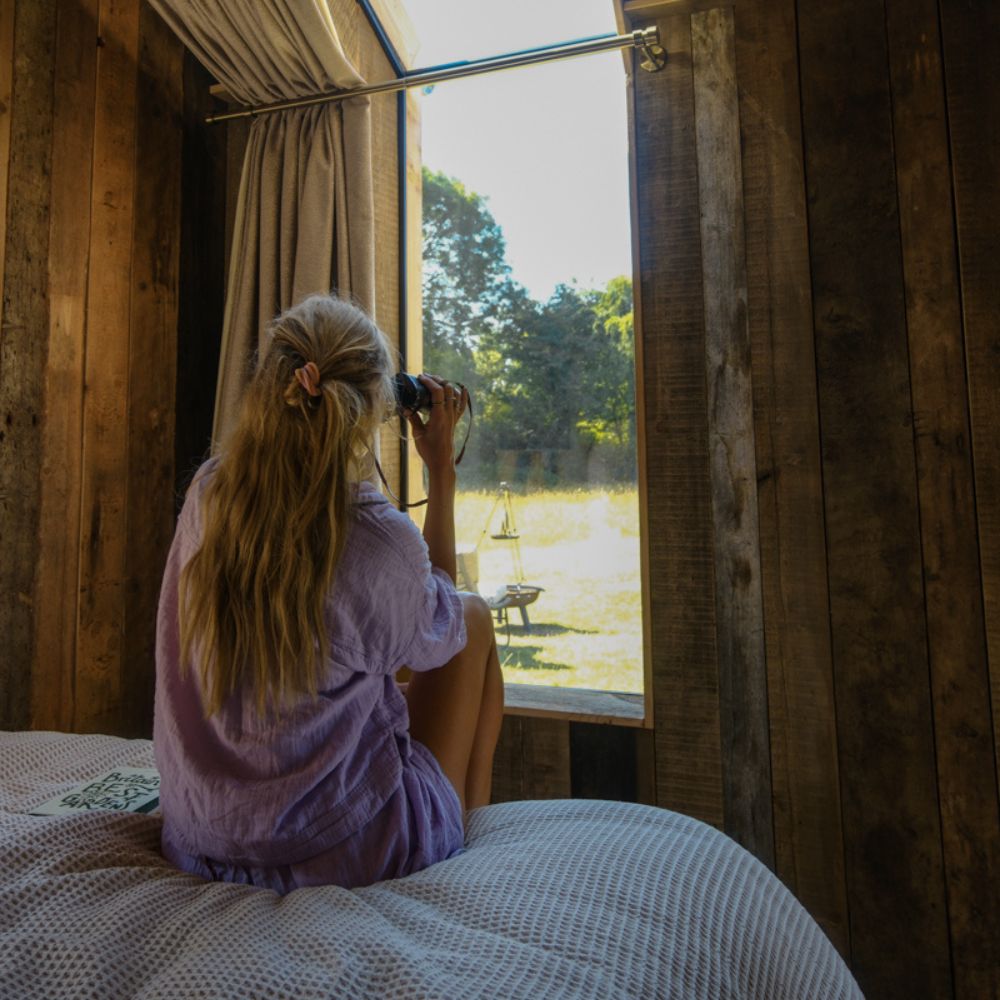
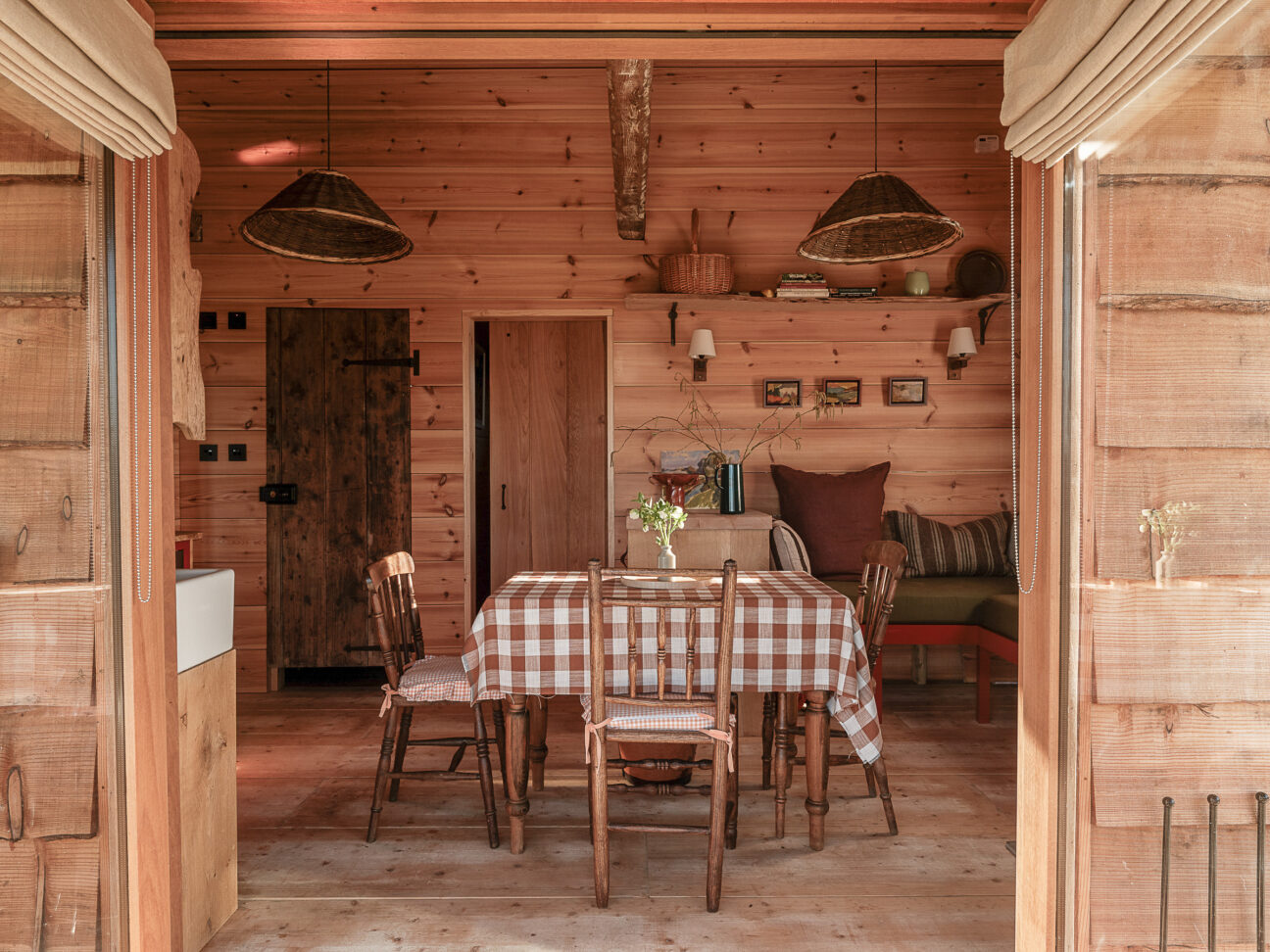
This is where things get slightly obsessive…We’ll zoom into photos of the bookshelves to see what’s on offer. We’ll notice the mugs in the kitchen (‘ah, HKLiving, I love those’). We’ll study the quality of the bedding and the artwork on the walls. But also the things that aren’t centre stage, the little corners that weren’t designed for Instagram or the things that don’t appear. We’ll wonder what sits just beyond the edge of the photograph. Why there isn’t a picture of the 5th bedroom? And we’ll find those things out.
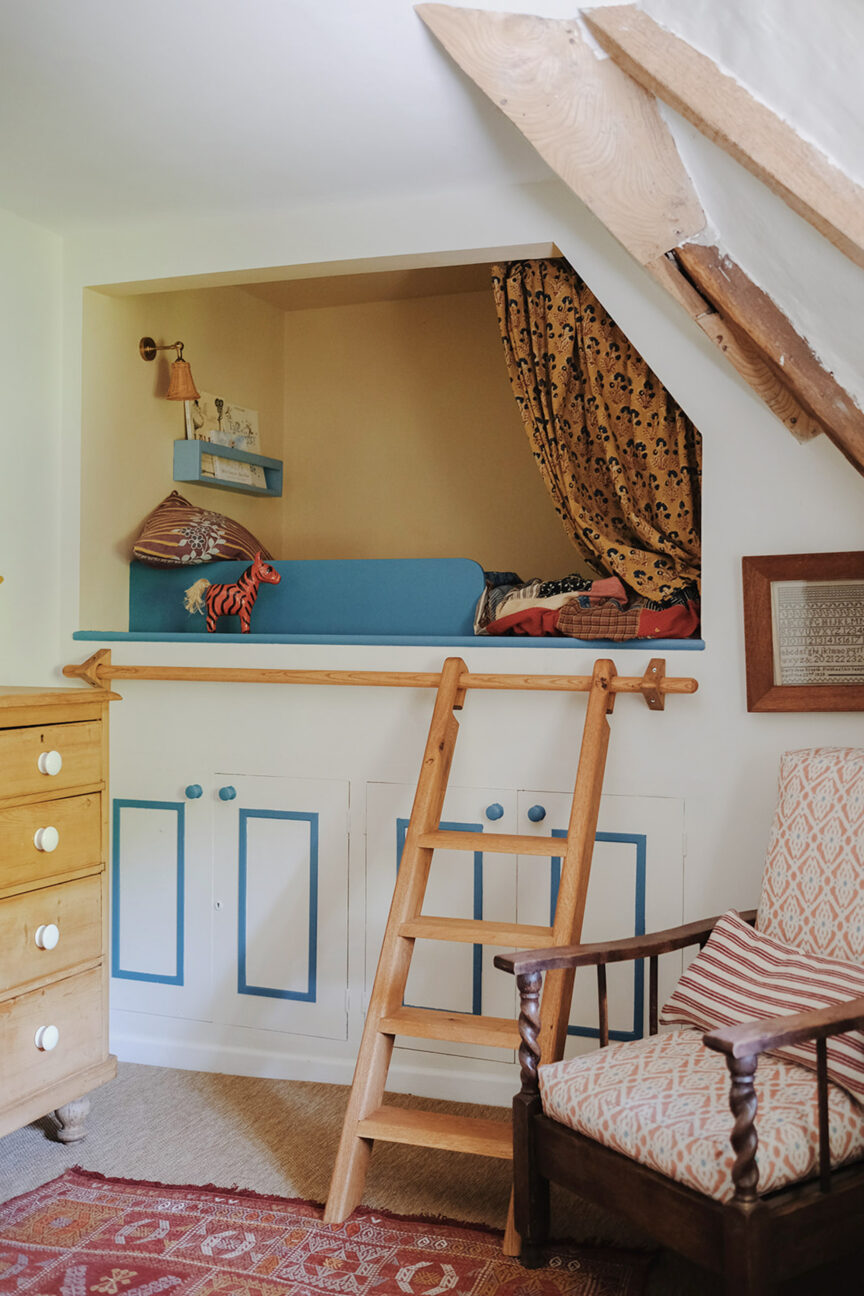
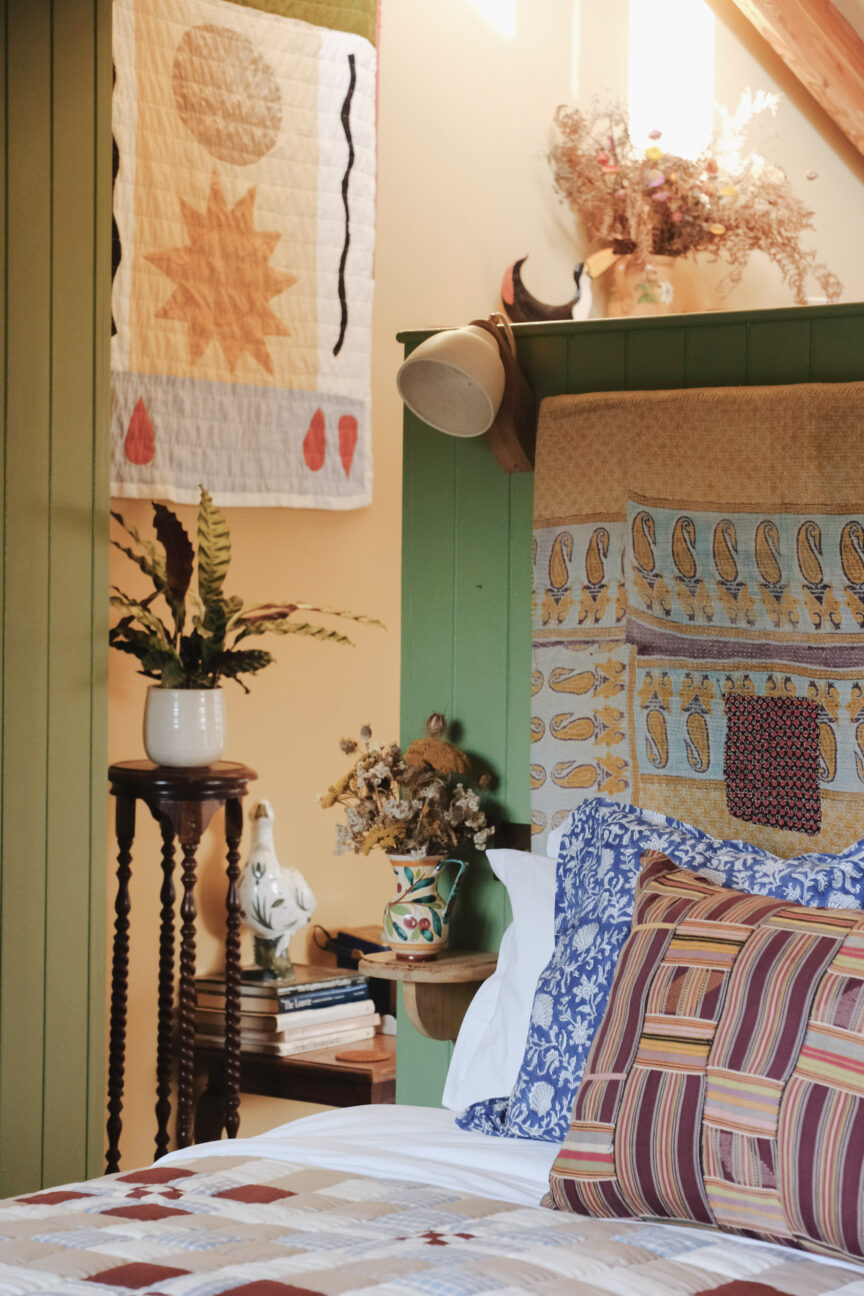
There’s no checklist.
People often ask if we have a checklist for what makes somewhere ‘Kip’. We don’t, really (it would make life considerably easier if we did.) Because a Kip hideaway can be a rustic-chic shepherd’s hut tucked into ancient woodland. It can be a fancy architect-designed house with polished concrete floors and enormous windows. It can be a colourful beach house, a tiny bothy on a hill, or a centuries-old stone cottage filled with books, paintings and family furniture. Just nothing generic, that’s our main thing – we love somewhere that’s unique and feels full of soul.
Interestingly, we’re not looking for luxury – some of our favourite hideaways are less than £150/night. What we’re looking for is care. Has someone thought about how you’ll feel when you arrive – welcomed and relaxed? Have they built somewhere they would genuinely love to stay themselves? Does it feel personal? Is there a sense that it’s evolved over time, rather than been ordered from a catalogue?
Another thing we look for is a nature setting. We don’t list (m)any city stays, because we love being in wide-open spaces. The majority of our hideaways make it easy to be outside. You don’t have to pack the car or plan an expedition. You simply open the front door and wander out. Maybe there’s a footpath disappearing into the hills. A river you can swim in. A meadow humming with bees. A beach reached along a winding path. Deer wandering past the kitchen window. Somewhere to watch the stars. Because actually, the stays people remember most aren’t usually the ones with the fanciest interiors. They’re the ones where someone spotted a kingfisher by a river, or had an outdoor bath as the sun went down.
We’re also interested in everything around the hideaway, because that has a huge bearing on a stay too. Is there a brilliant farm shop nearby? A local pub you can walk to? A beautiful 1.5-hour loop you can walk with your dog?
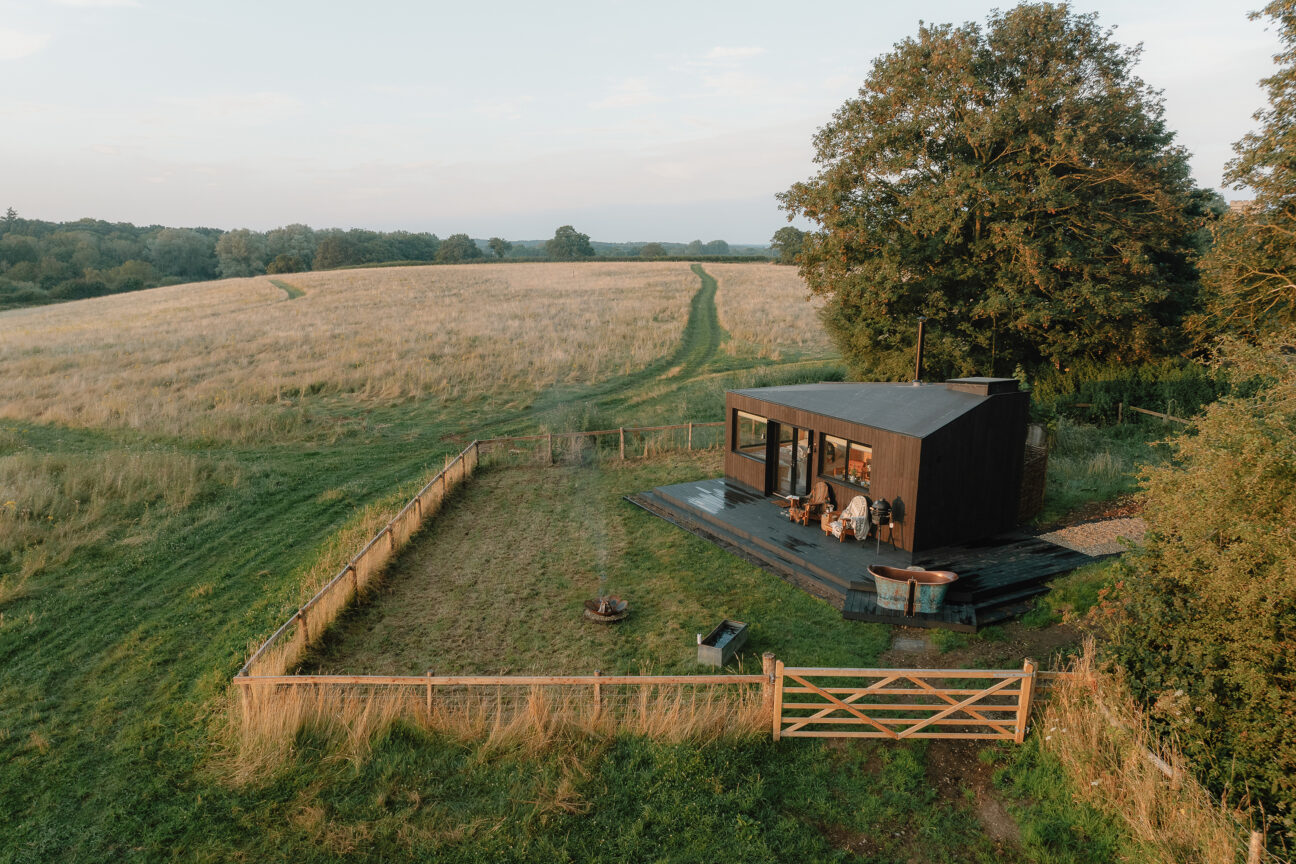
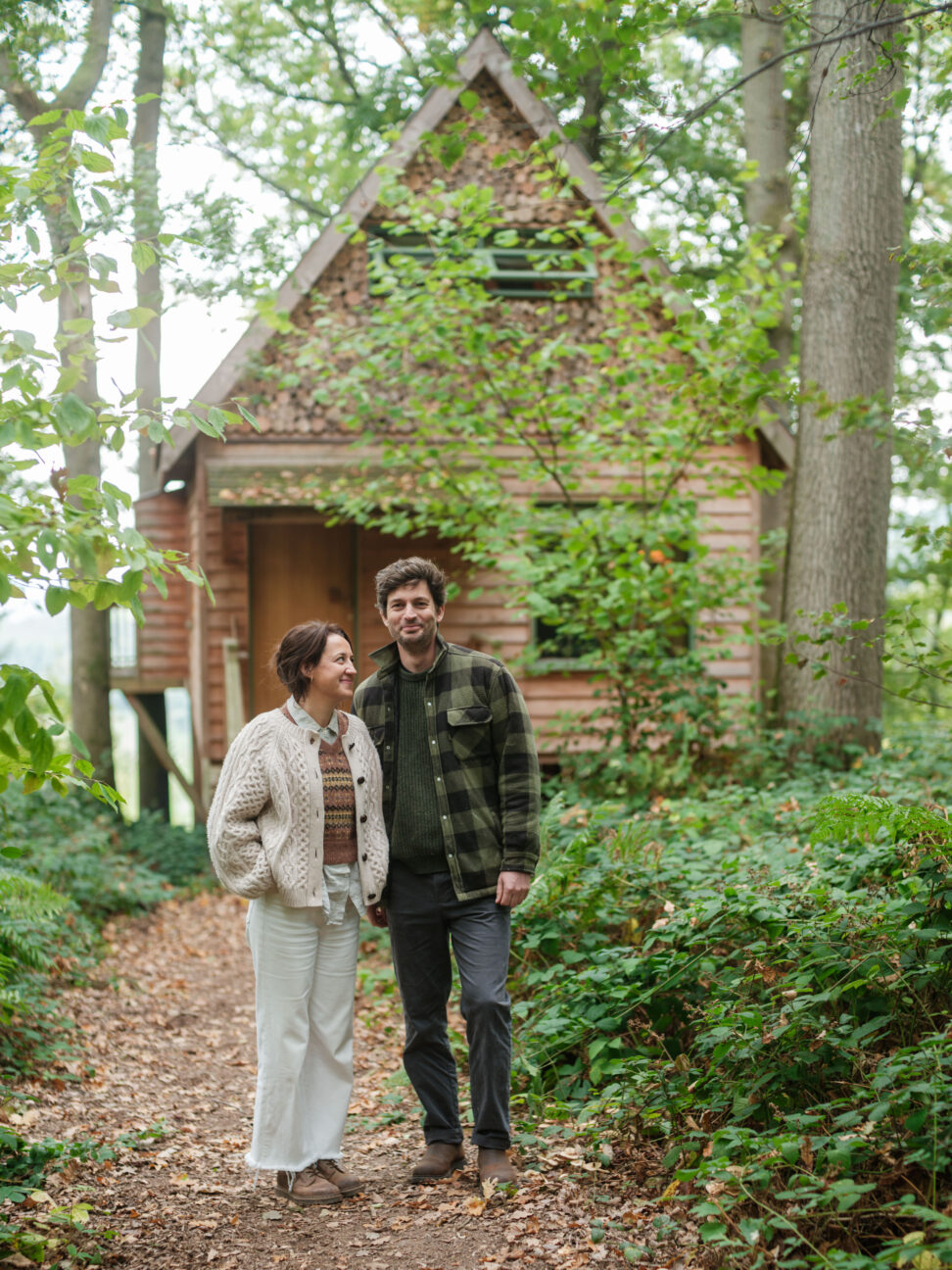
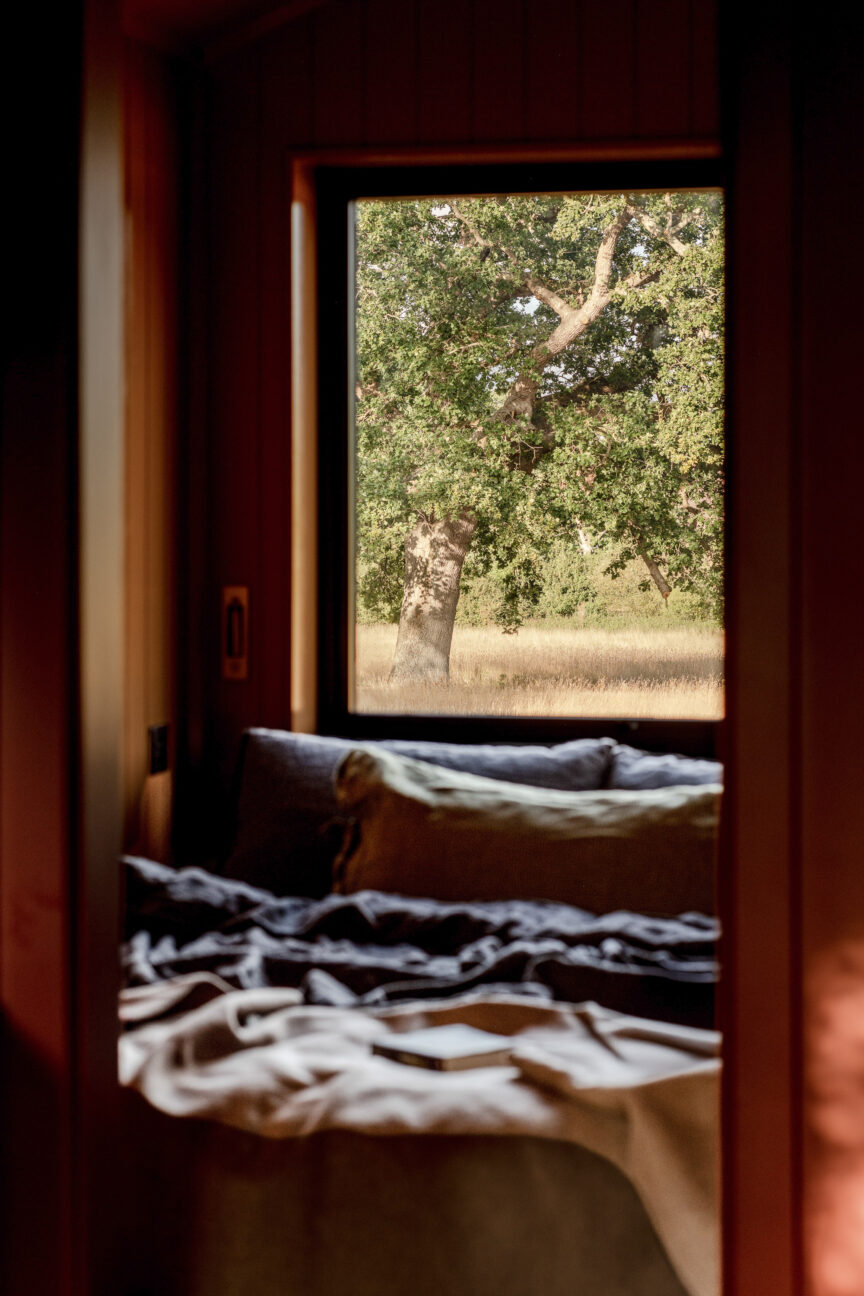
The people behind a place matter just as much as the place itself.
And once we’ve considered all this, we chat to the owners at length. The people behind a place matter just as much as the place itself and the owners we want to work with have something in common. They care – they really care, in a deeply personal way that means they spent weeks choosing the right mattress and splashback tiles. You’ll arrive to flowers from their garden on the table; a bottle of local apple juice and a tip about when to go to the local beach, depending on which way the wind blows. That sort of generosity can’t really be manufactured. We feel it when we talk to them, and guests feel it when they stay.
So yes, no ‘checklist’ – just a whole lot of factors that come together and make us feel excited about a place. Perhaps the biggest surprise though, is how many places we don’t choose. We say no far more often than we say yes. In fact, we invite less than one in 10 places we look at to join Kip. Not because the others aren’t lovely. Many of them are really beautiful. But we’re not trying to build the biggest portfolio and cover all bases and all styles. We can’t really explain the formula – but somehow, place by place, it adds up to something that could only be Kip.