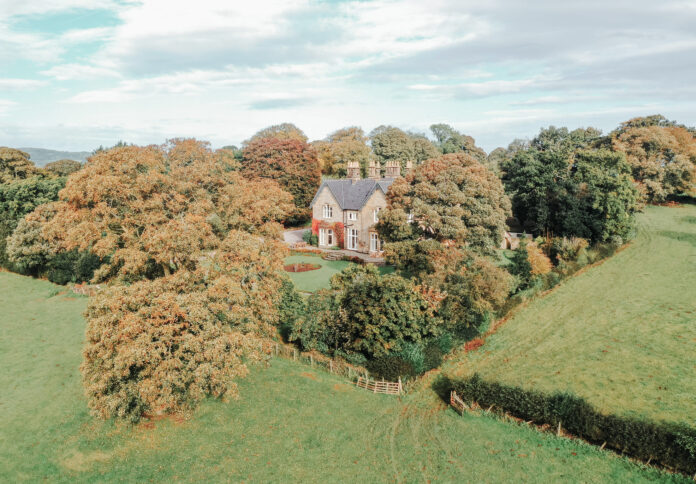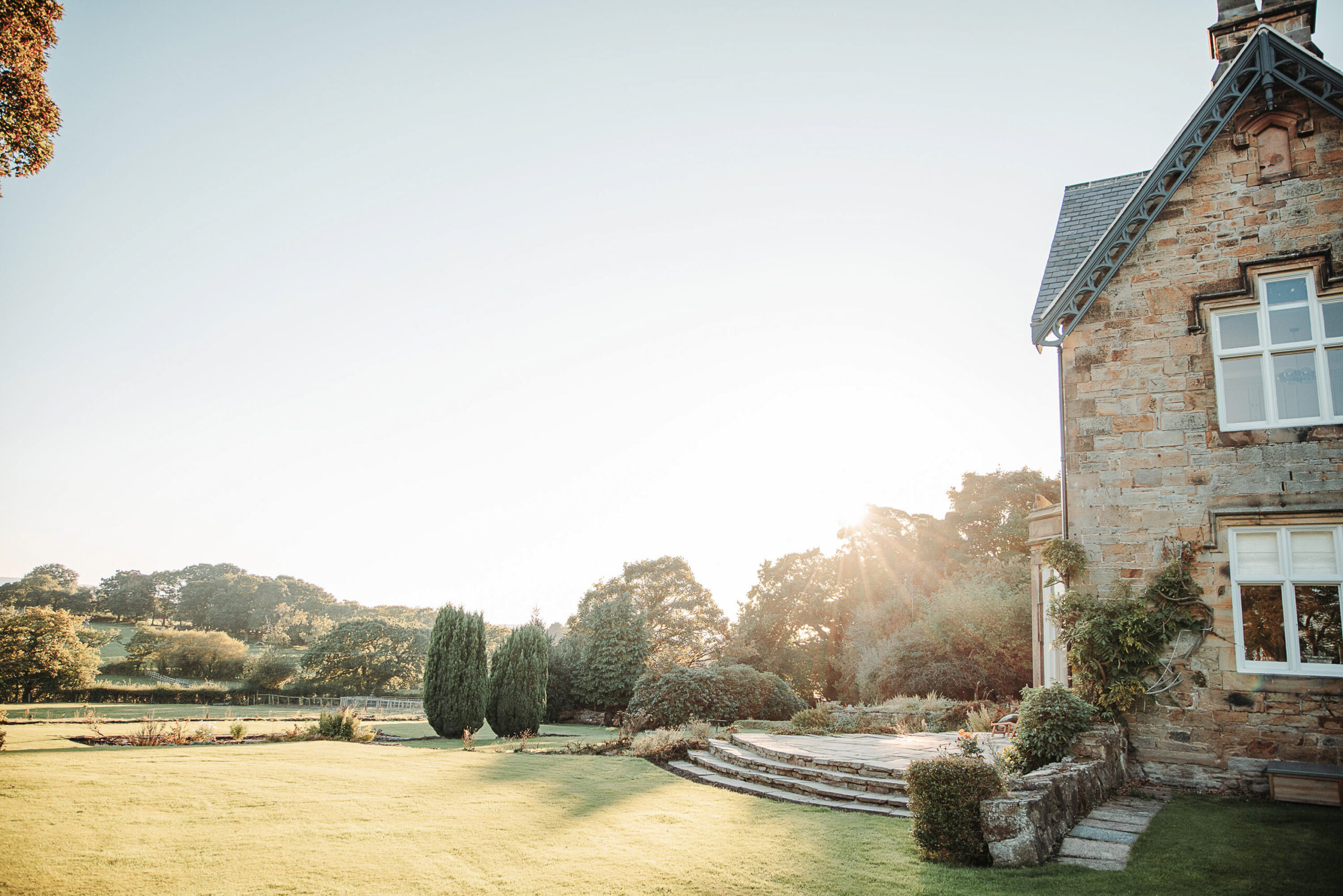

The Art of Escape is our way of exploring the stories behind the places that stay with you – and the people who bring them to life.
In this chapter, we spent time with Angharad and Teleri, who’ve opened up their own family home in Wales – the real thing, down to the Welsh cakes still made to their Nain’s recipe. Stay here and you get their patch of the country the way they know it, family history and all.
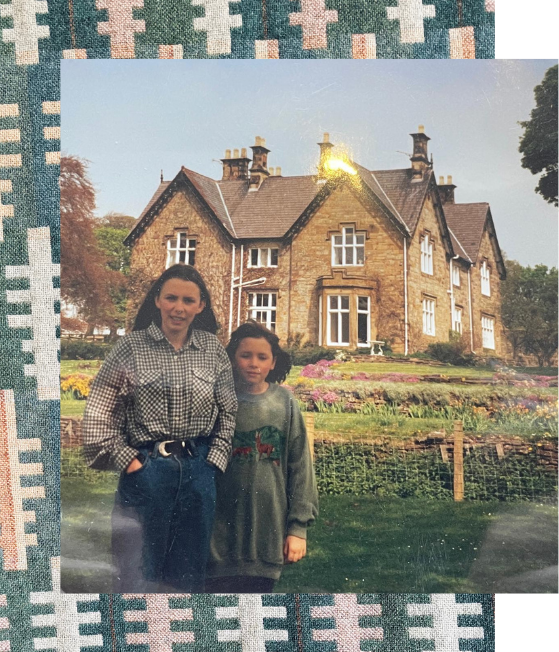
Whilst preparing to open Ein Cynefin to guests, the sisters behind it were given the same advice more than once: take some of the art down. Strip it back, soften the edges, make it work for everyone.
They went the other way and hung more.
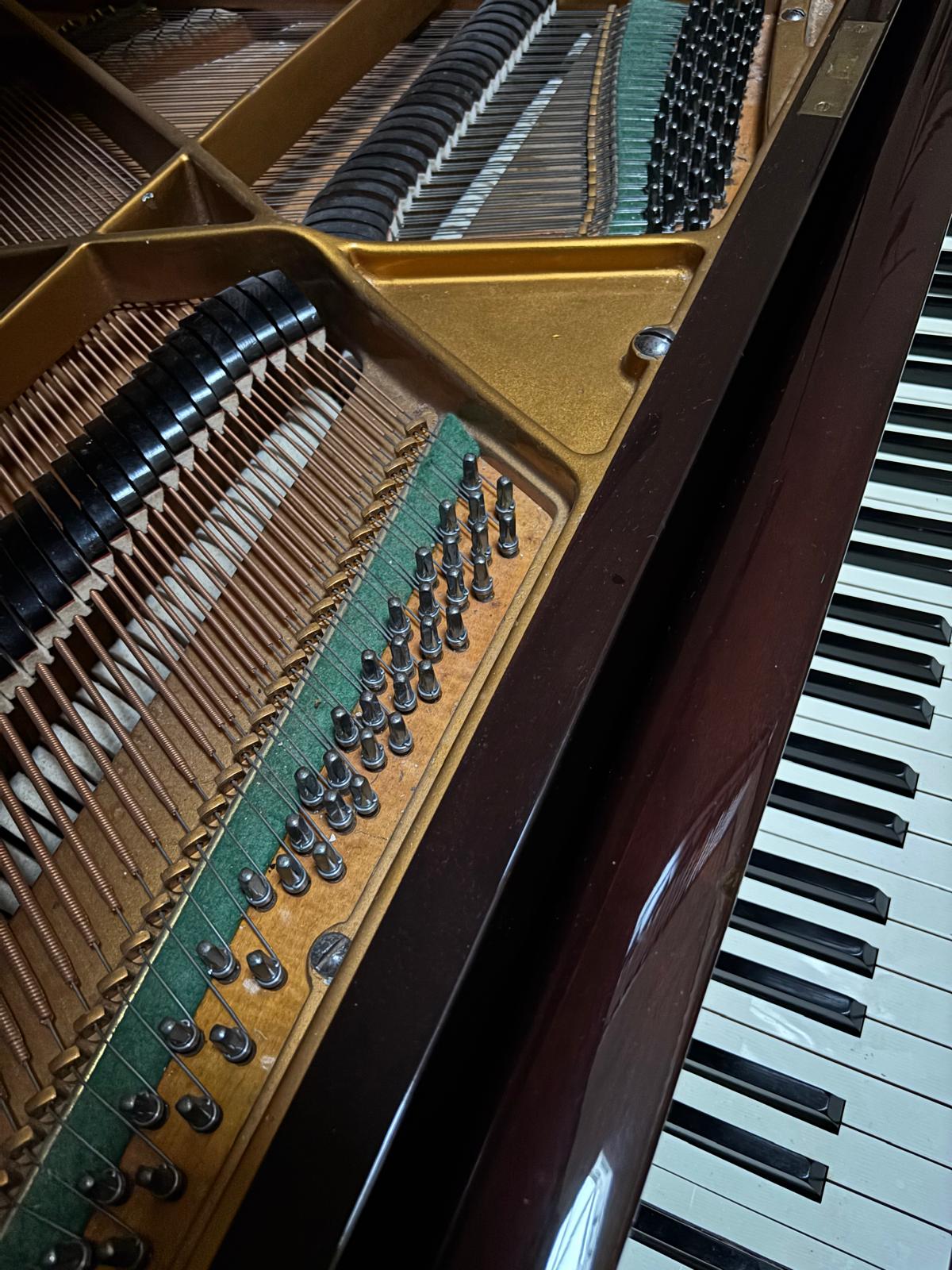
More paintings, more textiles, more of the things that mattered even when it would have been simpler to leave them out. The baby grand stayed exactly where it had always stood. The hand-stitched curtains were left to fall the way they’d been made.
“It just didn’t feel right, taking things out,” Angharad says. “So we did the opposite.”
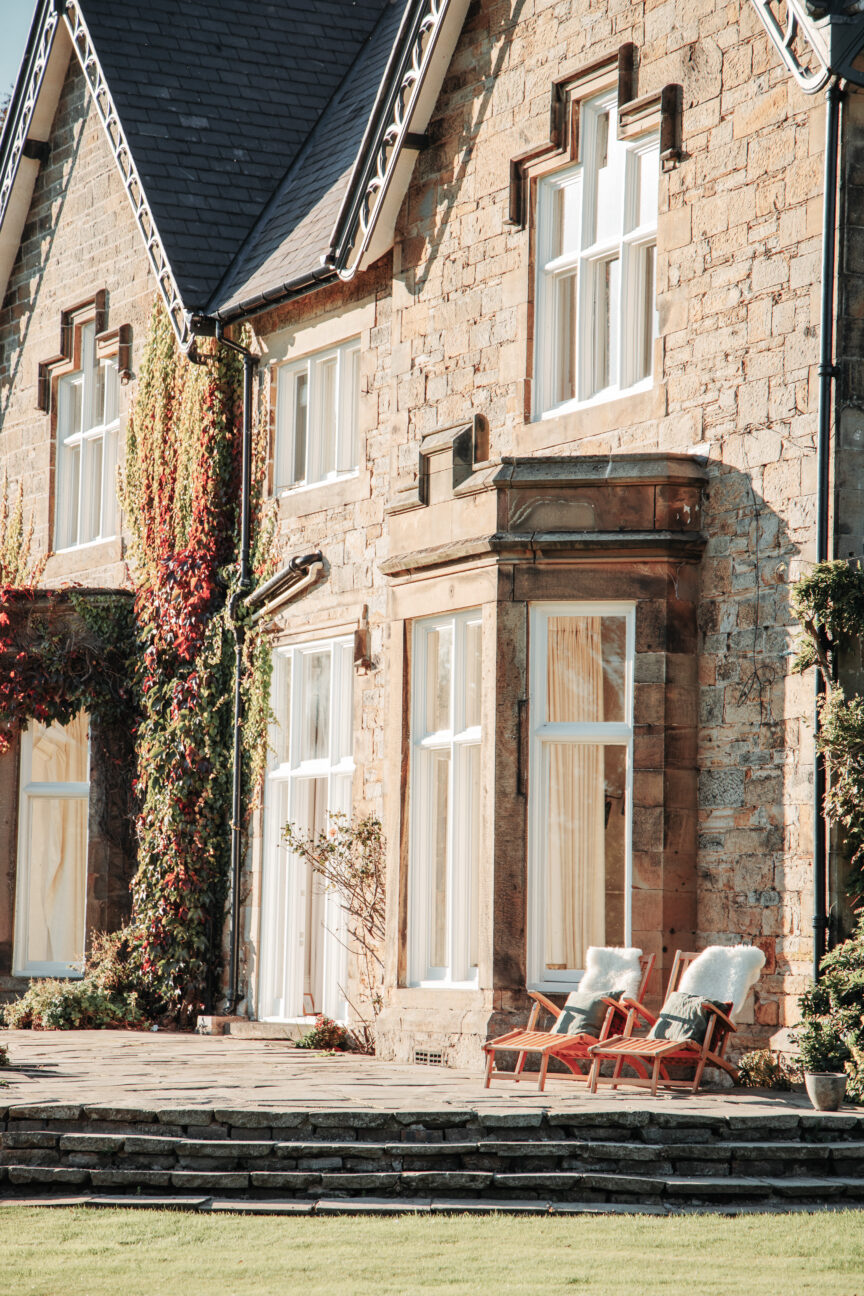
Ein Cynefin belongs to Angharad and Teleri, and they talk about it in slightly different ways.
One is instinctively a host, tuned to the small things you might not clock straight away but would miss if they were gone. The other has the sharper eye – she knows which artist matters, which piece holds its weight, which maker is doing something worth paying attention to, even if she’d rather not say so out loud.
“I’ll say she has the eye. She’ll completely deny it,” Angharad laughs.
They don’t divide it up neatly. Most of the decisions sit somewhere in the overlap.
Cynefin doesn’t translate cleanly into English.
It gets called a sense of belonging, but that only reaches part of the way. It’s the landscape, the language, the habits and histories that shape you over time, something you carry whether you’re aware of it or not.
“It’s not really about getting away,” they say of the house. “It’s more about coming back to something.”
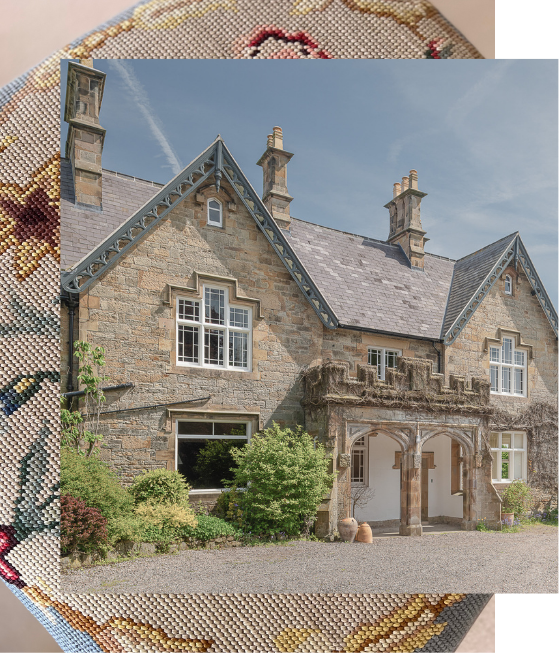
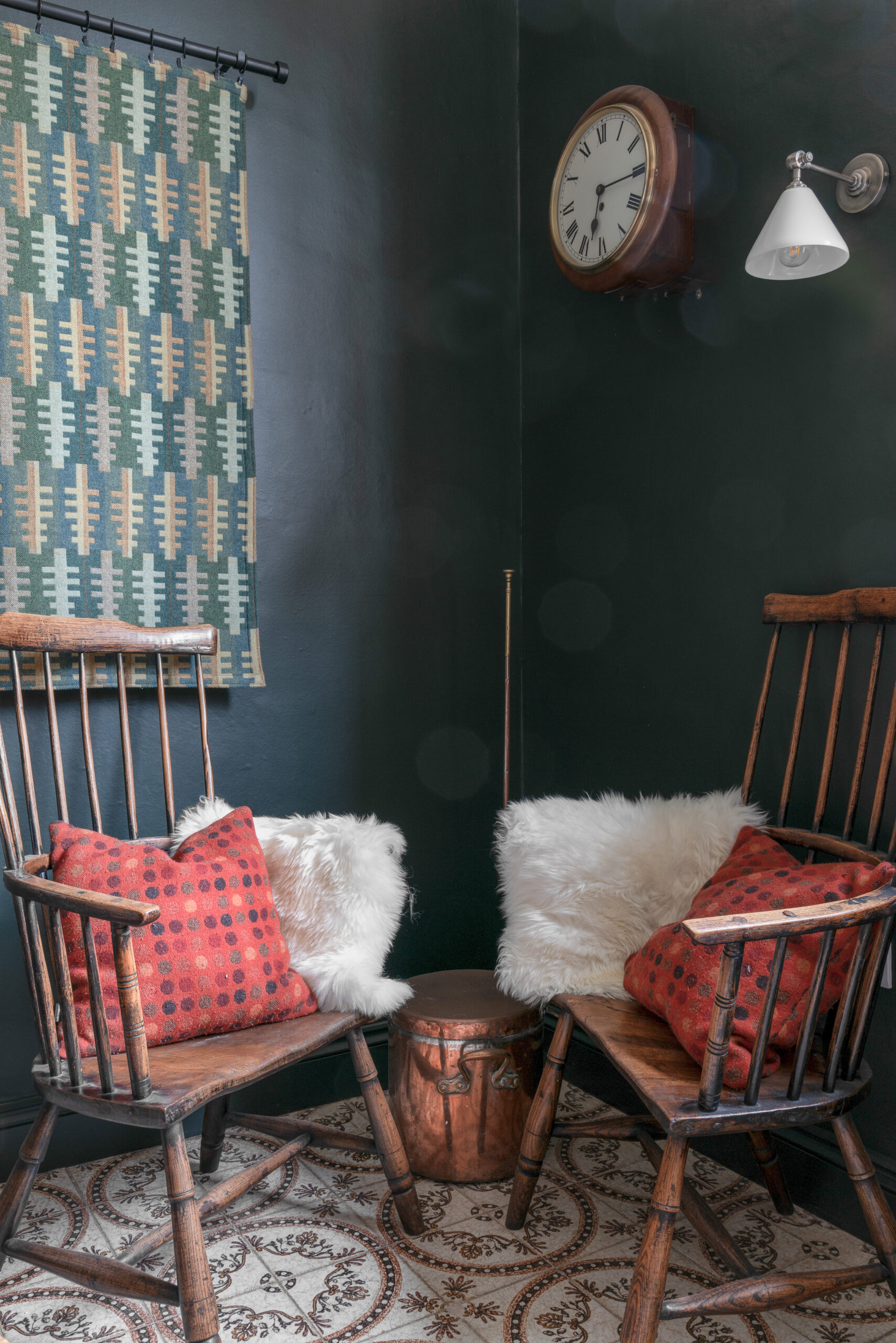
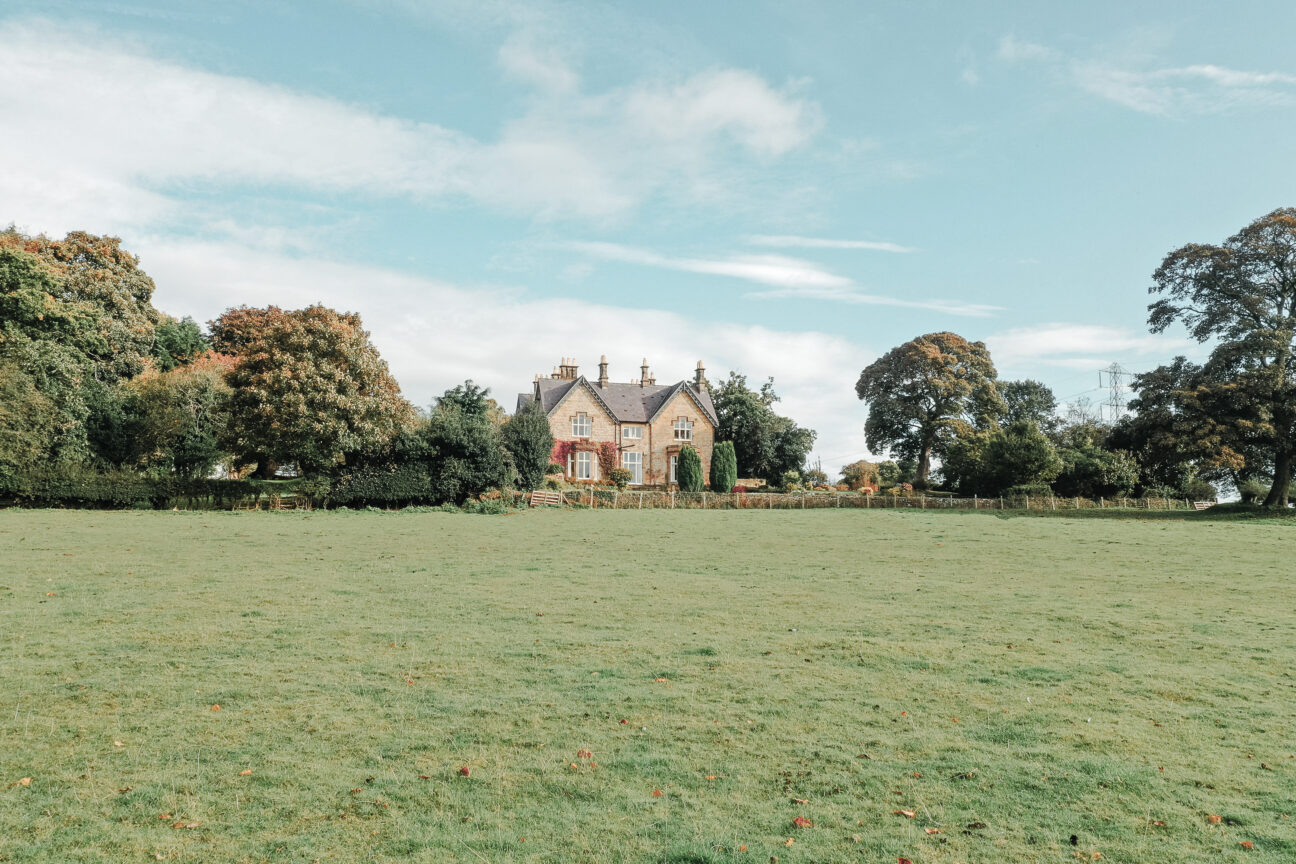
Nothing inside feels styled in the usual sense. It feels accumulated.
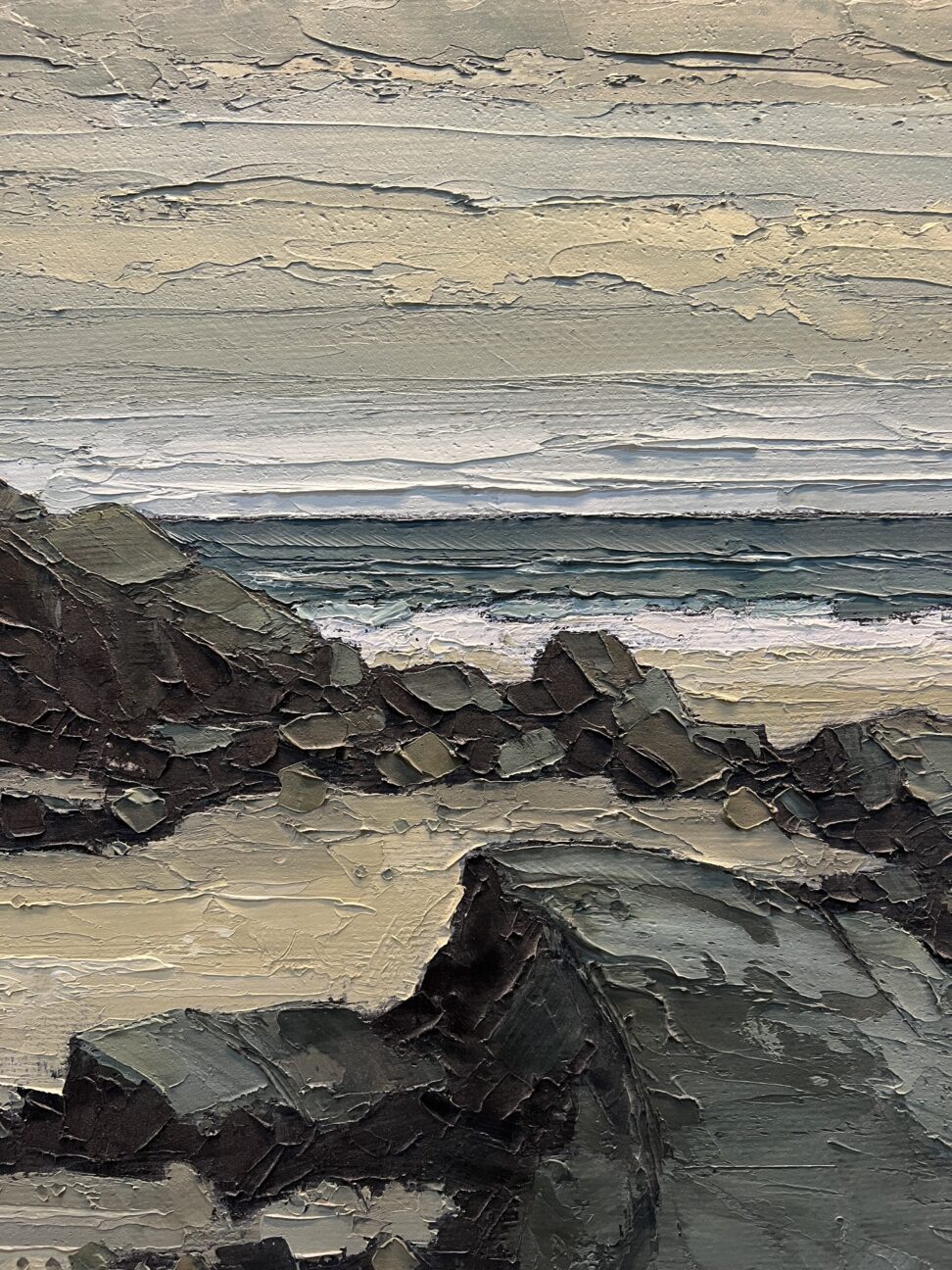
The walls carry work from Welsh artists, mostly late 20th century and early 21st, names that won’t mean much to most people who stay – but that’s not really the point.
“Most of the paintings are places we know,” Teleri explains. “Mountains, paths, views you can actually name.”
One in particular stays with them: a large oil of a narrow lane in Anglesey, the route their dad walked to school every day in the fifties. It hangs without a label. “That one was never going anywhere,” she says.
The same thinking runs through everything else.
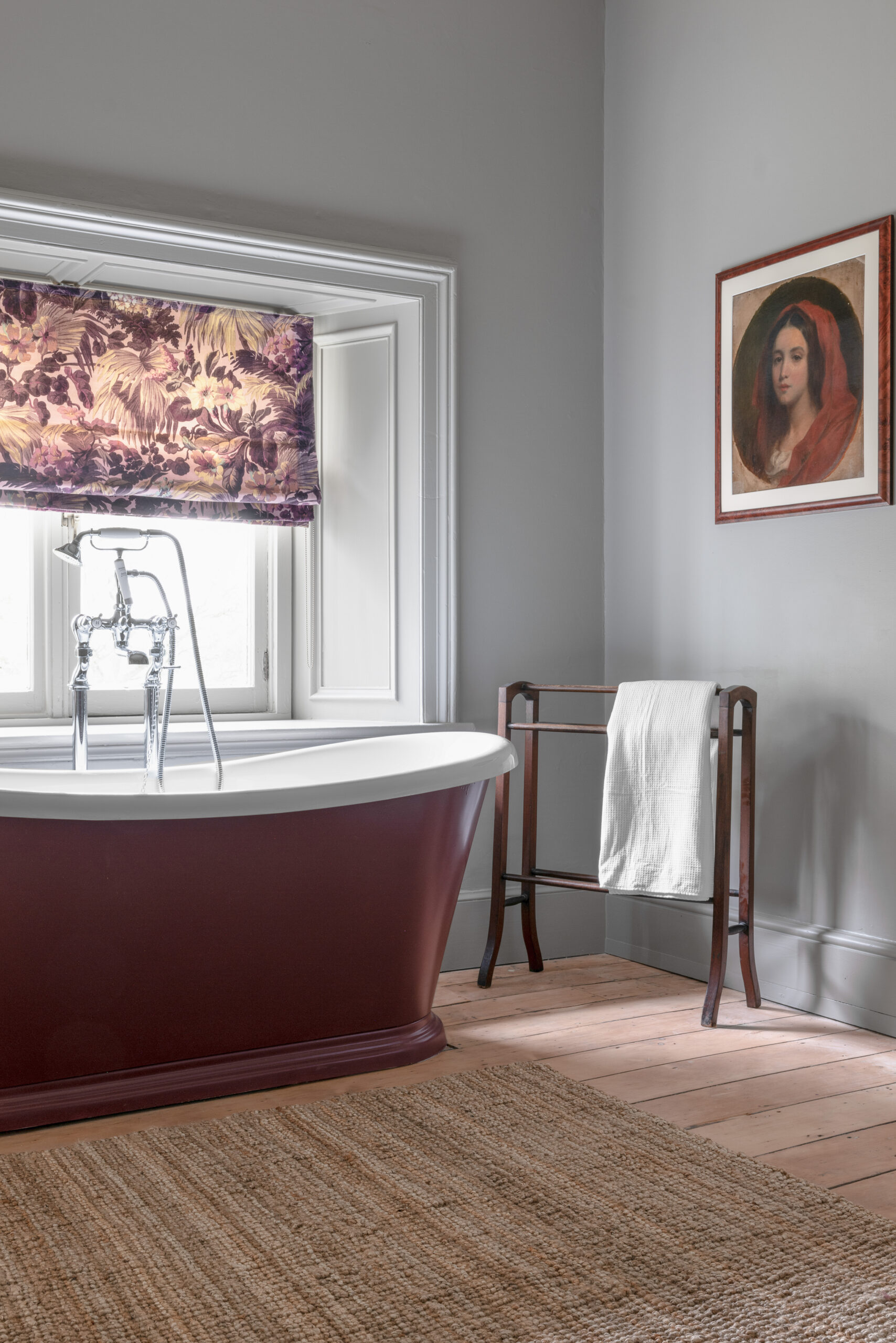
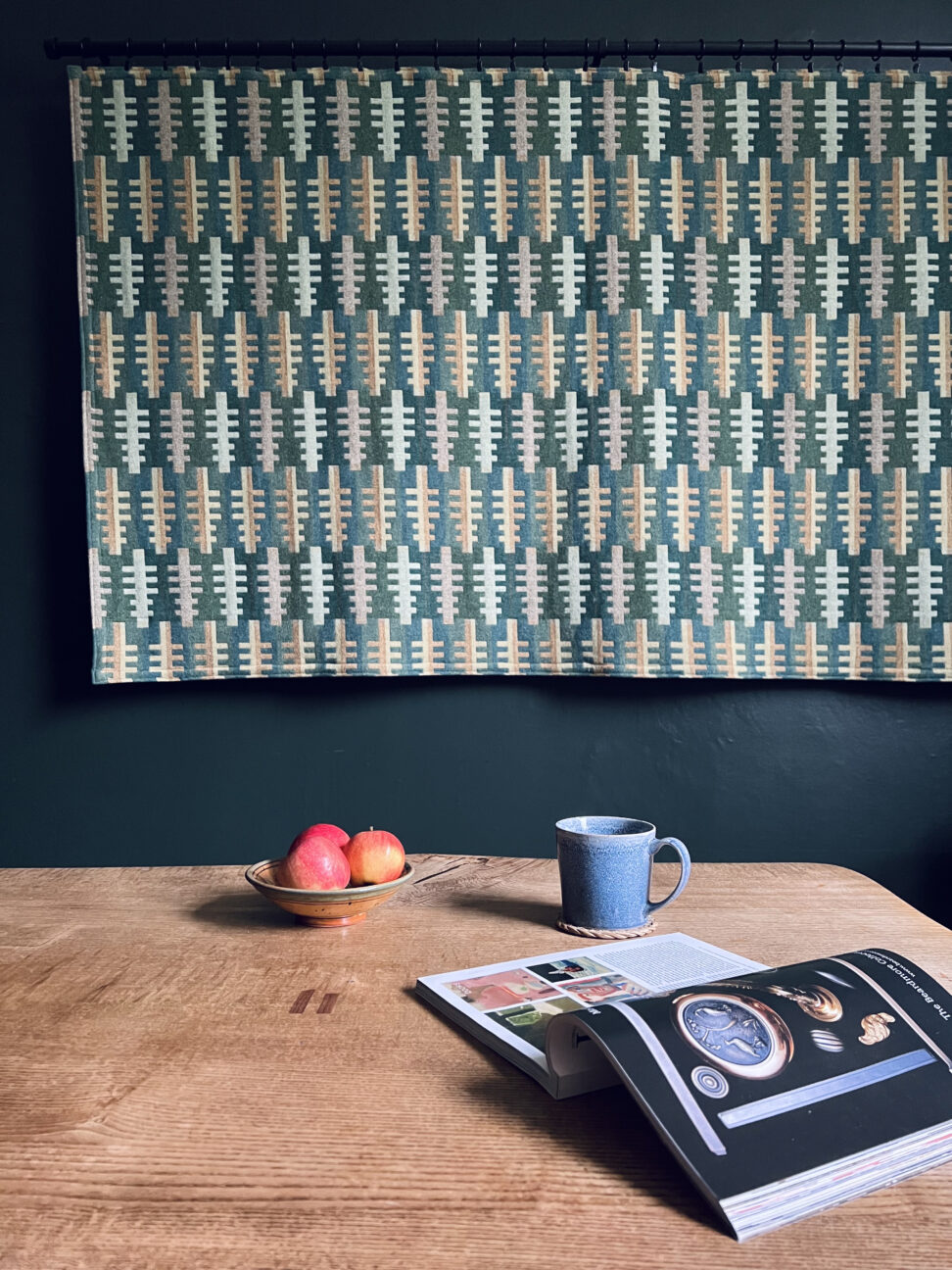
The curtains were hand-stitched by a Welsh textile artist and left intentionally imperfect.
The cushions and hot water bottles are made from cloth sourced from old woollen mills, some of them producing fabric for more than two centuries. The welcome basket follows a traditional farm shape and was commissioned rather than bought. In the kitchen there are Welsh cakes waiting to be made from their Nain’s handwritten recipe.
None of it is there to nod at heritage in a decorative way. “We didn’t want it to feel like a theme,” Teleri says. “It’s just how we live.”
Then there are the things left out for guests to find their own way to. An easel, paper, paints – not set up as an activity, just there.
The landscape does most of the work anyway: the shifting light, the long views, the weather moving through.
“If someone feels like picking up a paintbrush, that’s enough,” Angharad says. “Everything’s already here.”
It would have been a simpler house to let if it had been designed for everyone. It would also have been forgettable.
What Angharad and Teleri have made instead is harder to pin down – a place shaped by two people, by where they’re from, and by what they chose to keep.
And for the right person walking in, it has the odd feeling of already knowing you.
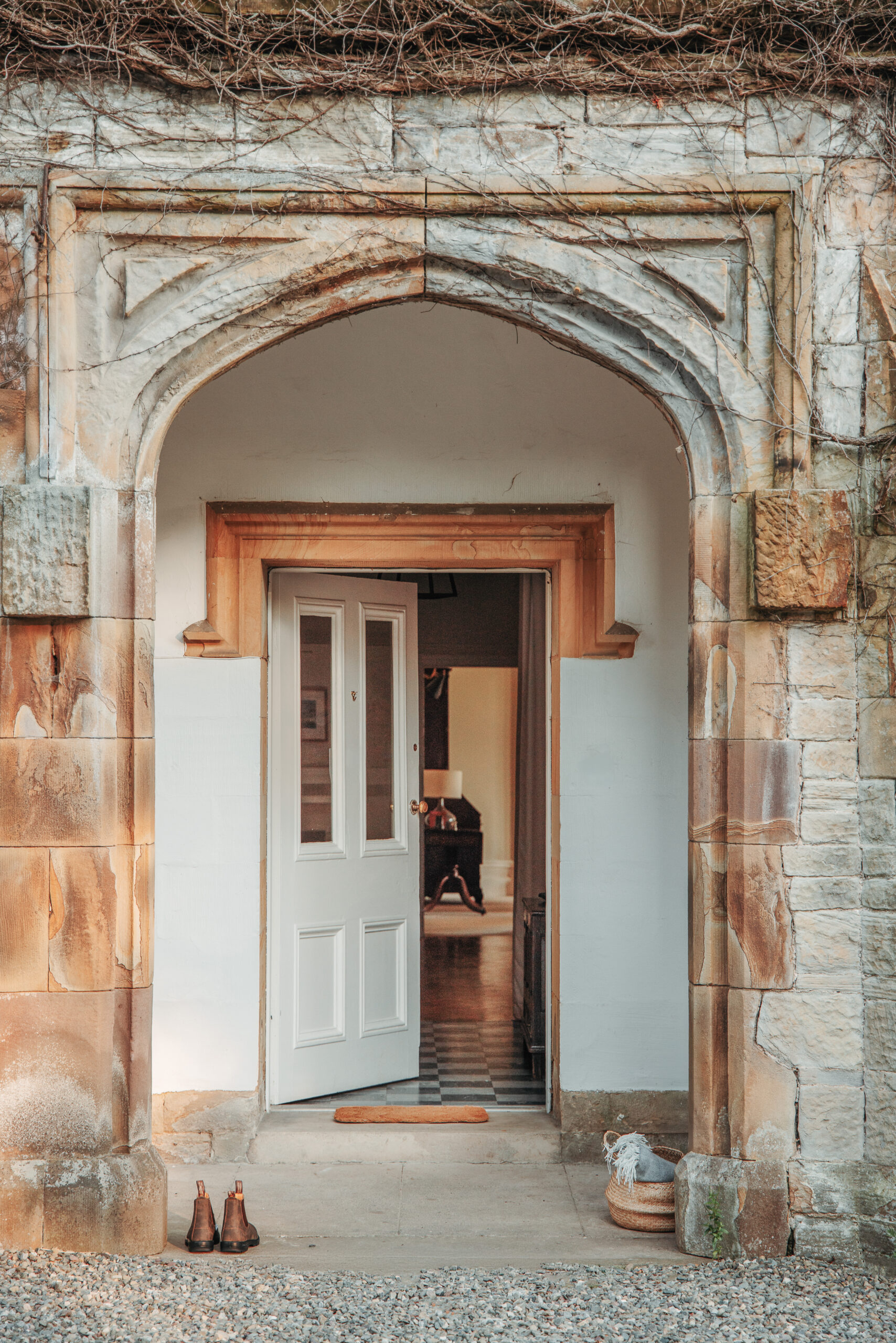
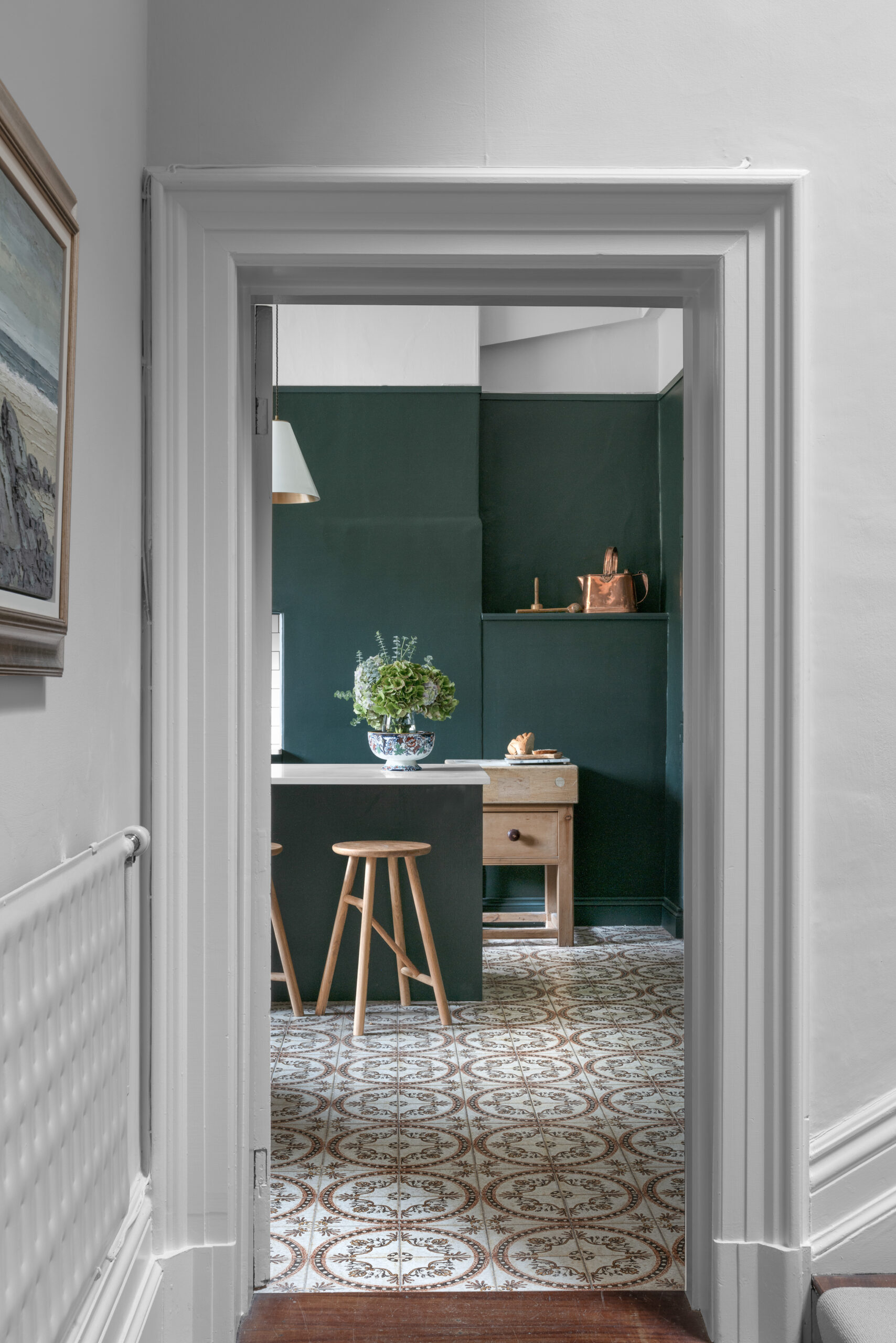

Find belonging, art and Welsh cakes in North Wales.
Everything Angharad and Teleri were once told to take out is still here, and then some – the Welsh painters on every wall, the oil of the Anglesey lane their dad walked to school, the baby grand nobody would shift. You get the version no one talked them out of, exactly as they meant it.